|
|
|
|
Original Article
Digitalization in Teaching and Learning: Impact on Student Engagement and Academic Achievement
|
Dr. Arun
Kumar Dubey 1* 1 Principal, Department of
Education, Columbia College, Pt. Ravishankar Shukla University,
Raipur, Chhattisgarh, India 2 Vice Principal, Department of Education, Columbia
College, Pt. Ravishankar Shukla University, Raipur, Chhattisgarh, India |
|
|
|
ABSTRACT |
||
|
Digitization has revolutionized the process of teaching and learning worldwide and in the post-pandemic world. The incorporation of technological applications like Learning Management Systems (LMS), virtual classrooms, and multimedia materials, and artificial intelligence has revolutionized the pedagogical practice greatly. The current research question focuses on exploring how student engagement and academic performance at secondary level is affected by digitalization. The method of a descriptive survey was chosen. The 400 students of secondary education institutions were used to collect the data on the basis of a structured questionnaire and academic records. Such statistical methods were employed as mean, standard deviation, t-test, and correlation analysis. The results indicate that online instructional practices are majorly more effective in engagement, motivation, and performance among students as compared to the conventional one. But there exist challenges of digital divide, poor infrastructure as well as gaps in teacher training. The research concludes that digitalization when wisely used can make a significant contribution to the learning results and equip students with the skills of the future. Keywords: Digitalization, Educational
Technology, E-learning, Student Engagement, Academic Achievement, Teaching
Learning Process |
||
INTRODUCTION
Digital
technologies are rapidly transforming education systems in the world.
Digitalization in teaching and learning simply means incorporation of digital
technologies, applications and learning resources into the learning process to
advance a more effective instructional process and participation among learners
in the learning process. Digital initiatives like DIKSHA, SWAYAM, and Smart
Classrooms have made the use of digital education relatively fast in India.
Online learning environments are flexibly structured, provide access, provide
customized learning opportunities and are interactive. They not only allow the
students to learn at their own speeds but they also
give the teachers the ability to utilize various multimedia tools to teach them
difficult concepts. Nevertheless, issues associated with fair access,
technological proficiency, and pedagogical customization continue to be of
concern especially in the developing nations. The efficacy of digitalization is
this understanding, which policymakers, educators, and institutions need to
look into to develop sustainable and inclusive models of education in the
future.
Review of Literature
According to the
previous research, there are high enablers of digital learning in enhancing the
outcomes of education. Means et
al. (2014) indicated that blended learning systems
yield superior academic outcomes than the conventional face-to-face learning.
As pointed out by Selwyn
(2016), digital technologies facilitate the
adoption of independence in learners, cooperative learning, and critical
thinking. Dhawan
(2020) noted the critical nature of online
education since the onset of the COVID-19 pandemic in which the digital channel
ensured education continuity even when the institutions were closed. The study
by Bond et al. (2020) revealed that interactive digital tools are
an effective way to engage students in the process of learning when used in an
interaction with active teaching methods. Equally, UNESCO
(2021) emphasized the need to be digitally ready,
have good infrastructure, and train teachers in order to succeed in integrating
them. In spite of the positive results evident in the literature, conflict of
digital divide, lack of device access, ineffective connectivity, and poor
teacher preparation are also evident in several studies, which may limit
successful implementation. Although much has been studied on digital learning,
few empirical researchers have considered the combined effects of digital
learning on student engagement as well as academic performance at the secondary
school level regarding the Indian context. Thus, this gap is filled by the
current research.
Research Gap
Whereas it has
been observed that many studies have arranged the advantages of online learning
and technology integration in education, the majority of the current research
has been mainly narrowed down to the higher education or the online emergency
teaching during the COVID-19 pandemic. There is not much empirical research on
the joint effect of digitalization on student engagement and student
achievement at the secondary school level, and especially in developing
countries like India. In addition, numerous research works have investigated
digital tools independently without taking into account
the general levels of digital exposure between students and the effect of
digital exposure on learning outcomes. The differences between students that
are taught via online means and those that are taught via the conventional
classroom instruction have not been sufficiently studied with the use of large
representative samples. Thus, conducting a structured study to evaluate the
role of digitalization in engagement and academic performance co simultaneously
in actual school environments is required. This gap is addressed in the present
research by exploring the extent of digital learning exposure and student
engagement and performance of secondary school students.
Objectives of the Study
·
To
investigate the degree of digitalization of teaching and learning at the
secondary school level.
·
To
determine the extent of student involvement in online classrooms.
·
To
examine the influence of digital teaching processes on the academic performance
of students.
·
To
establish the comparison of the performance of students taught using digital
tools and traditional teaching techniques.
Hypotheses
H01: No significant difference exists between the
academic performance of students who received digital teaching instruction and
those instructed using conventional methodology.
H02: The exposure to digital learning and student
engagement are not significantly related.
Methodology
Research Design
The current
research has used a survey approach (descriptive survey) to examine how the
process of digitalization of teaching and learning affect student engagement
and performance. The research design was descriptive survey design since it
helps the researcher to gather systematic data on a large population on the
current conditions, practices and associations among variables without the need
of controlling the study environment. This layout will help to study exposure
of the students to digital learning aid, the degree of their engagement as well
as their performance in schools in normal environments. It also enables the
comparison of various groups and finding the trends and patterns of digital
education practices.
Population
The study
population included all students at Classes IX and X in both government and
private schools in the selected district studying in the secondary school. The
secondary school students were selected due to the fact that this is the most
critical part of formal education where students are introduced to more content
in subjects, exams, and an increase in the application digital learning tools.
The sample sampled both the government and private institutions to accommodate
both different socio-economic statuses, access to digital resources, and
differences in the instructional practices.
Sample
The target
population was stratified into 400 students sample where stratified random
sampling was used. To represent the population proportionately, the population
was first stratified in terms of the type of school (government and private)
and gender. Each stratum was then randomly chosen to sample out students in
order to reduce sampling bias and increase the generalization of the results.
The participants of the selected sample were students of the urban and
semi-urban schools so that there would be diversity in access to digital
infrastructure, devices, and internet access. This sample was found sufficient
to conduct a statistical analysis and make significant conclusions about
digitalization measurement in teaching and learning.
Tools Used
Strategies that
were utilized in collecting data comprised a mixture of standardized and
self-developed instruments. The researcher created the Digital Learning
Exposure Scale, which was used to assess the frequency of use, access, and
familiarity of online classes, educational apps, multimedia resource, and
learning management system as digital learning tools among the students.
Student Engagement Scale was used to evaluate behavioural, emotional, and
cognitive student engagement in digital learning environments. Moreover, the
academic success of students was assessed based on official examination scores
received through school records thus objectivity and reliability of performance
data was insured. Diverse tools used made it possible to assess the independent
and dependent variables in a thorough way, as well as improve study validity.
Data Collection Procedure
Data collection
was made with permission of school authorities beforehand. The selected
students were given questionnaires to determine the degree of their exposure
and involvement in digital learning. The scores of academic achievements were
gathered through the official school records. The data were gathered very well and the data was put together coded in preparation of
the statistical analysis.
Statistical Techniques
Mean, Standard
Deviation, t-test, Pearson Correlation and Percentage Analysis.
Analysis and Interpretation
Table 1
|
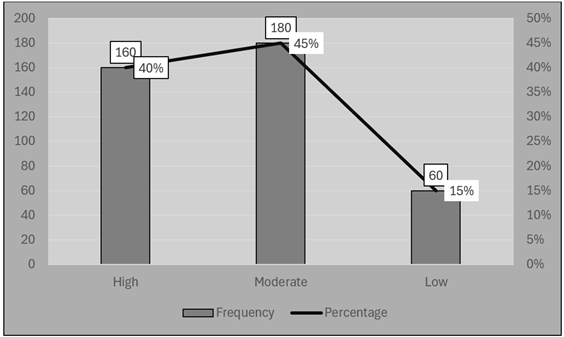
Table 1 Level of Digital Learning Exposure
among Students (N = 400) |
||
|
Level |
Frequency |
Percentage |
|
High |
160 |
40% |
|
Moderate |
180 |
45% |
|
Low |
60 |
15% |
Interpretation:
The statistics
reveal that most of the students have moderate exposure to digital learning
tools, which constitute 85 percent of the sample. It implies that the digital
education has become common in the sampled schools, but a minor fraction of
students continues to have reduced access.
|
Graph 1
|
|
Graph 1 Level of Digital
Learning |
Table 2
|
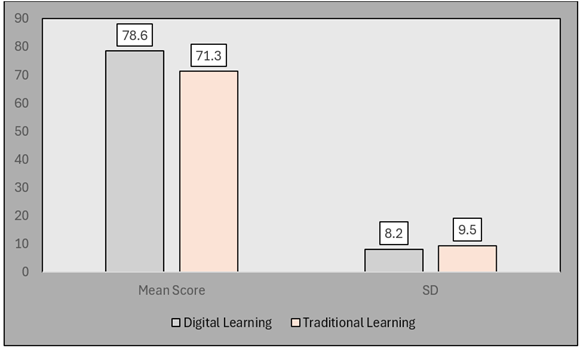
Table 2 Comparison of Academic Achievement |
||
|
Teaching Mode |
Mean Score |
SD |
|
Digital Learning |
78.6 |
8.2 |
|
Traditional Learning |
71.3 |
9.5 |
|
t-value =
6.42 (Significant at 0.01 level) |
||
Interpretation:
The learners who
were exposed to digital learning performed significantly better than their
traditional counterparts and this means that learners who underwent digital
instructional strategies also had a very positive impact on their academic
performance. The t-value obtained proves that the difference is statistically
significant who rejects the null hypothesis.
|
Graph 2
|
|
Graph 2 Comparison of
Academic Achievement |
Table 3
|
Table 3 Correlation Between Digital
Learning and Student Engagement |
|
|
Variables |
r-value |
|
Digitalization & Engagement |
0.68 |
Interpretation:
There is a great
positive relationship between digital learning and student engagement which
implies that animalization of digital tools can be more influential as a result
of more student engagement, interest and motivation. Thus, the test of the null
hypothesis on the non-existence of a relationship is rejected.
Conclusion
In the study, it
is concluded that, digitalization is a significant factor in increasing
engagement of students and academic success at secondary level. The digital
tools pose an interactive learning experience, accessibility to a wide variety
of education and instructional customization. Even with these strengths, it
needs proper infrastructure, good connectivity and teacher training so as to
create a level of equity to access and meaningful learning opportunities to all
the students.
Educational Implications
The results
suggest that schools implement the models of blended learning that involves
digital and traditional teaching method to achieve optimal learning results.
Education programs should include some training on digital pedagogy to give
educators the requisite technological skills. Reduction of the digital divide
should be the primary consideration among policymakers to create infrastructure
and affordable devices and connectivity to the internet network. Moreover, the
curriculum needs to address the needs of the knowledge economy by inculcating
digital literacy skills to the students.
Future Suggestions
Future studies
could be based on longitudinal research on the effect of digitalization on
learning outcome over an extended period of time. It would be more enlightening
to conduct comparative studies in various topics, grades, and rural-urban
settings to determine its success. It is also possible that researchers can
research how emerging technology, including artificial intelligence, adaptive
learning systems, and virtual reality, can be applied to improve educational
experiences and study the attitude and readiness of teachers to the digital
transformation.
ACKNOWLEDGMENTS
None.
REFERENCES
Bond, M., Bedenlier, S., Marín, V. I., and Händel, M. (2020). Emergency Remote Teaching in Higher Education. Educational Technology Research and Development, 68(2), 1–35.
Dhawan, S. (2020). Online Learning: A Panacea in the Time of COVID-19 Crisis. Journal of Educational Technology Systems, 49(1), 5–22. https://doi.org/10.1177/0047239520934018
Garrison, D. R., and Vaughan, N. D. (2008). Blended Learning in Higher Education: Framework, Principles, and Guidelines. Jossey-Bass. https://doi.org/10.1002/9781118269558
Kirkwood, A., and Price, L. (2014). Technology-Enhanced Learning and Teaching in Higher Education. Learning, Media and Technology, 39(1), 6–36. https://doi.org/10.1080/17439884.2013.770404
Means, B., Toyama, Y., Murphy, R., and Baki, M. (2014). The Effectiveness of Online and Blended Learning. Teachers College Record, 115(3), 1–47. https://doi.org/10.1177/016146811311500307
Mishra, P., and Koehler, M. J. (2006). Technological Pedagogical Content Knowledge (TPACK): A Framework for Teacher Knowledge. Teachers College Record, 108(6), 1017–1054. https://doi.org/10.1111/j.1467-9620.2006.00684.x
Sangrà, A., Vlachopoulos, D., and Cabrera, N. (2012). Building an Inclusive Definition of E-Learning. The International Review of Research in Open and Distributed Learning, 13(2), 145–159. https://doi.org/10.19173/irrodl.v13i2.1161
Selwyn, N. (2016). Education and Technology: Key Issues and Debates. Bloomsbury Publishing. https://doi.org/10.5040/9781474235952
Siemens,
G. (2005). Connectivism:
A Learning Theory for the Digital Age. International Journal of Instructional Technology and
Distance Learning, 2(1), 3–10.
UNESCO. (2021). Reimagining Our Futures Together: A New Social Contract for Education. UNESCO Publishing.
Zhao, Y., Lei, J., Yan, B., Lai, C., and Tan, H. S. (2005). What Makes the Difference? A Practical Analysis of Research on Technology Use in Education. Teachers College Record, 107(8), 1839–1884. https://doi.org/10.1111/j.1467-9620.2005.00544.x
|
|
 This work is licensed under a: Creative Commons Attribution 4.0 International License
© ShodhAI 2026. All Rights Reserved.